Why Are Infrared Heaters More Efficient Than Regular Heaters?
- Sep 25, 2025
- 3 min read

Efficient home heating is a priority for most homeowners, especially as energy costs continue to rise. One of the best ways to achieve this is by choosing the right heating system. Among the many options available, infrared heaters stand out as the most efficient alternative to traditional heaters. But what makes them so special? Let’s dive into the details and find out why infrared heaters outperform conventional heaters when it comes to efficiency.
Understanding Infrared Heating
Infrared heaters use infrared radiation to produce heat. Unlike traditional heaters that warm the air in a room, infrared heaters directly warm objects, people, and surfaces within their range. This method mimics the way the sun heats the Earth, offering a natural and highly efficient form of warmth.
How Do Regular Heaters Work?
Conventional heaters, such as convection or fan heaters, rely primarily on heating the air. They circulate warm air around the room, which eventually raises the overall temperature. However, this process has its drawbacks: uneven heating, wasted energy, and slower results.
Key Reasons Why Infrared Heaters Are More Efficient
1. Direct Heating for Maximum Efficiency
Infrared heaters deliver heat directly to objects and people instead of just warming the air. This eliminates energy losses caused by heat dispersing into unused areas, making them much more efficient.
2. Faster Heating
Traditional heaters often take time to warm up a room because they depend on air circulation. Infrared heaters, on the other hand, provide instant warmth the moment they’re switched on. No more waiting for your space to heat up!
3. Energy Savings
Since infrared heaters target specific areas, they consume less energy compared to regular heaters that need to warm the entire room. This focused heating reduces wasted electricity and lowers your utility bills.
4. Consistent Heat Distribution
With infrared heating, there are no cold spots in your room. The warmth spreads evenly by heating surfaces and people directly, unlike conventional systems that struggle to maintain balance.
5. Reduced Heat Loss
Regular heaters lose heat as warm air rises to the ceiling or escapes through gaps in windows and doors. Infrared heaters warm objects and surfaces directly, which means minimal heat loss.
6. Ideal for Zoned Heating
Infrared heaters excel at zoned heating, allowing you to heat only the areas you actually use instead of the whole house. This is especially beneficial in larger homes or spaces with multiple rooms.
Additional Advantages That Highlight Infrared Efficiency
7. Healthier Indoor Climate
Because they don’t heat the air, infrared heaters don’t circulate dust, mold spores, or allergens. This improves indoor air quality and creates a more comfortable environment for allergy or asthma sufferers.
8. Less Condensation and Moisture Problems
Direct warmth helps keep surfaces dry, reducing condensation on windows and preventing mold growth. This makes them especially suitable for bathrooms, kitchens, and basements.
9. Long-Term Savings
Although the initial cost can be similar to or slightly higher than traditional heaters, infrared heaters have a longer lifespan and consume less energy. Over time, this results in significant financial savings.
10. Easy Installation and Design Flexibility
Many infrared panels are thin, discreet, and can be mounted on walls or ceilings. They save space and blend seamlessly into modern interiors, often doubling as stylish design elements.
11. Eco-Friendly Heating
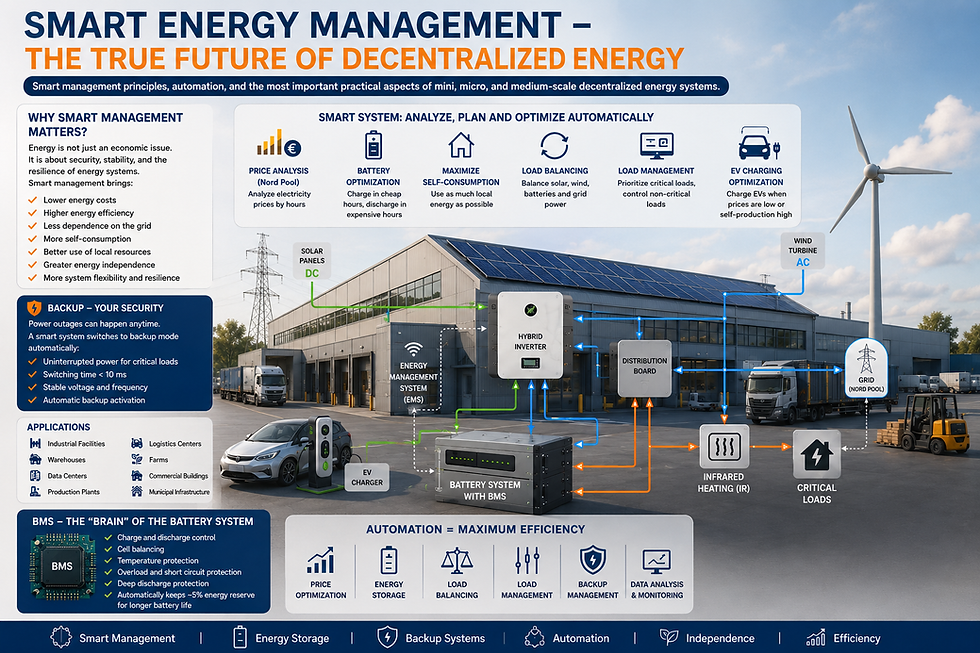
Lower energy consumption means reduced carbon emissions. When paired with renewable energy sources like solar or wind power, infrared heaters can contribute to a near-zero environmental footprint.
✅ Conclusion: Infrared heaters are not just an alternative to traditional heating systems—they are a smarter, faster, healthier, and more sustainable choice for modern homes.